
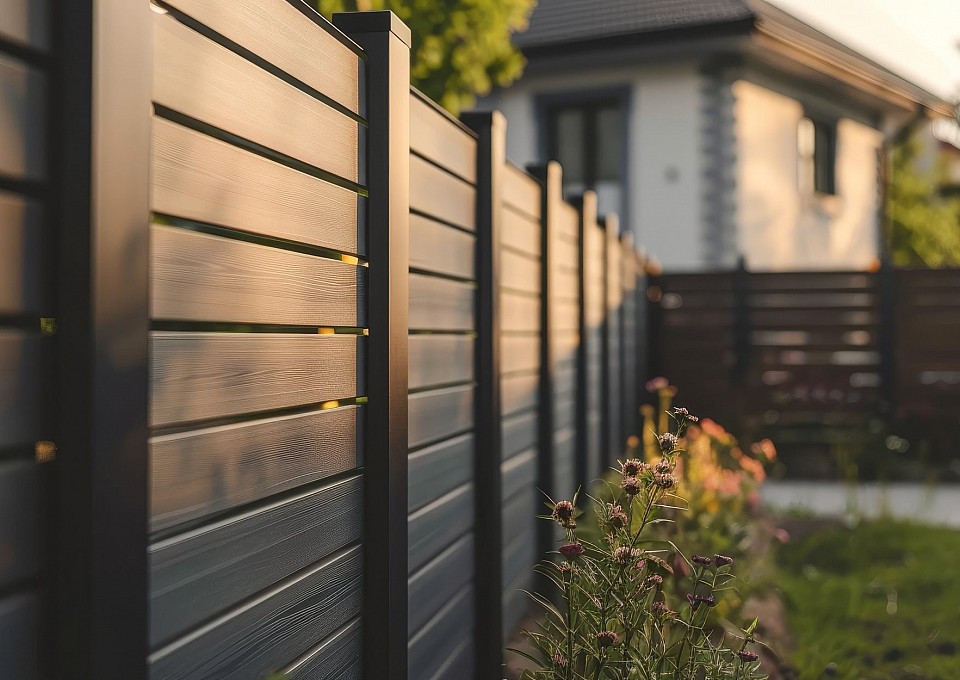
Choosing Between Composite and Wooden Fencing
If you're planning a new garden fence, one of the most important decisions is choosing the right material. The two most popular options in Hampshire are traditional wooden fencing and modern composite fencing. Both have their strengths and considerations, and the right choice depends on your priorities, budget, and desired look.
Appearance
Wooden fencing offers a classic, natural look that suits both traditional and rural properties. Timber can be painted, stained, or left to weather naturally, allowing for flexible styling. Composite fencing, on the other hand, delivers a sleek, uniform appearance ideal for modern gardens. It?s available in a range of colours and finishes that mimic the texture of wood but with cleaner lines.
Durability and Lifespan
Composite fencing is made from a blend of recycled wood fibres and plastic polymers, making it highly resistant to rot, warping, and insect damage. It typically lasts 20?30 years with minimal upkeep. Wooden fencing, while strong, is more susceptible to decay and damage over time. With regular maintenance such as staining and treatment, wooden fences can last 10?15 years, depending on the quality of the timber and exposure to the elements.
Maintenance
One of the key benefits of composite fencing is its low maintenance. It does not require painting, sealing, or treatment, and it resists moisture and mould. Wooden fencing requires more frequent care to maintain its appearance and structural integrity. Annual staining or painting is usually recommended, and untreated wood can degrade faster.
Cost
Wooden fencing is generally more affordable upfront. Standard closeboard or panel fencing with timber posts is cost-effective for most domestic projects. Composite fencing, while more expensive to install initially, can offer better long-term value thanks to its reduced maintenance and longer lifespan.
Environmental Impact
Both materials can be eco-friendly, depending on sourcing. Wood from certified sustainable forests is a renewable option, while many composite products are made from recycled materials. However, the plastic content in composite fencing may concern some buyers, despite its long-term durability and lower replacement frequency.
Which Should You Choose?
If you value a traditional aesthetic and don?t mind occasional maintenance, wooden fencing remains a great choice. It blends naturally with garden landscapes and offers versatility. If you prefer a modern look with minimal upkeep, composite fencing could be the better investment, particularly for contemporary homes or areas exposed to harsh weather.
Need Expert Advice?
At MA Fencing, we supply and install both timber and composite fencing across Hampshire. Our team can help you weigh up the options and choose the right fence to match your property and budget.
Call 07962 164650 today or contact us online for a free, no-obligation quote.